Food Systems
Climate conversations tend to focus on power plants, cars and factories. But growing, processing, transporting and wasting the world's food is responsible for roughly as much greenhouse gas as every car, truck, ship and plane on Earth combined.
A widely-cited 2021 analysis published in Nature Food put the food system's share of global greenhouse gas emissions at around 34% once every stage — land-use change, on-farm production, processing, packaging, transport and retail — is counted. That number surprises most people, largely because food's emissions are diffuse and indirect: a hamburger doesn't have a visible exhaust pipe, but the land cleared to graze the cattle, the feed grown to fatten them, and the methane they produce along the way all add up to a very real climate footprint.
Not all calories are equal from a climate perspective. Producing a kilogram of beef generates, on average, many times more greenhouse gas than producing a kilogram of most plant-based protein — largely because of methane from cattle digestion (a gas roughly 80 times more potent than CO₂ over a 20-year period), plus the land-use emissions from clearing pasture and growing feed crops. The FAO's often-cited estimate is that livestock — cattle in particular — accounts for around 14.5% of all human-caused greenhouse gas emissions, more than the entire global transport sector.
This isn't an argument that livestock farming has no place in a sustainable food system — in many regions, especially where crops can't easily grow, grazing animals are a genuinely efficient use of land. The issue is scale and concentration: global meat and dairy demand has grown far faster than the land and feed efficiency gains needed to offset its footprint.
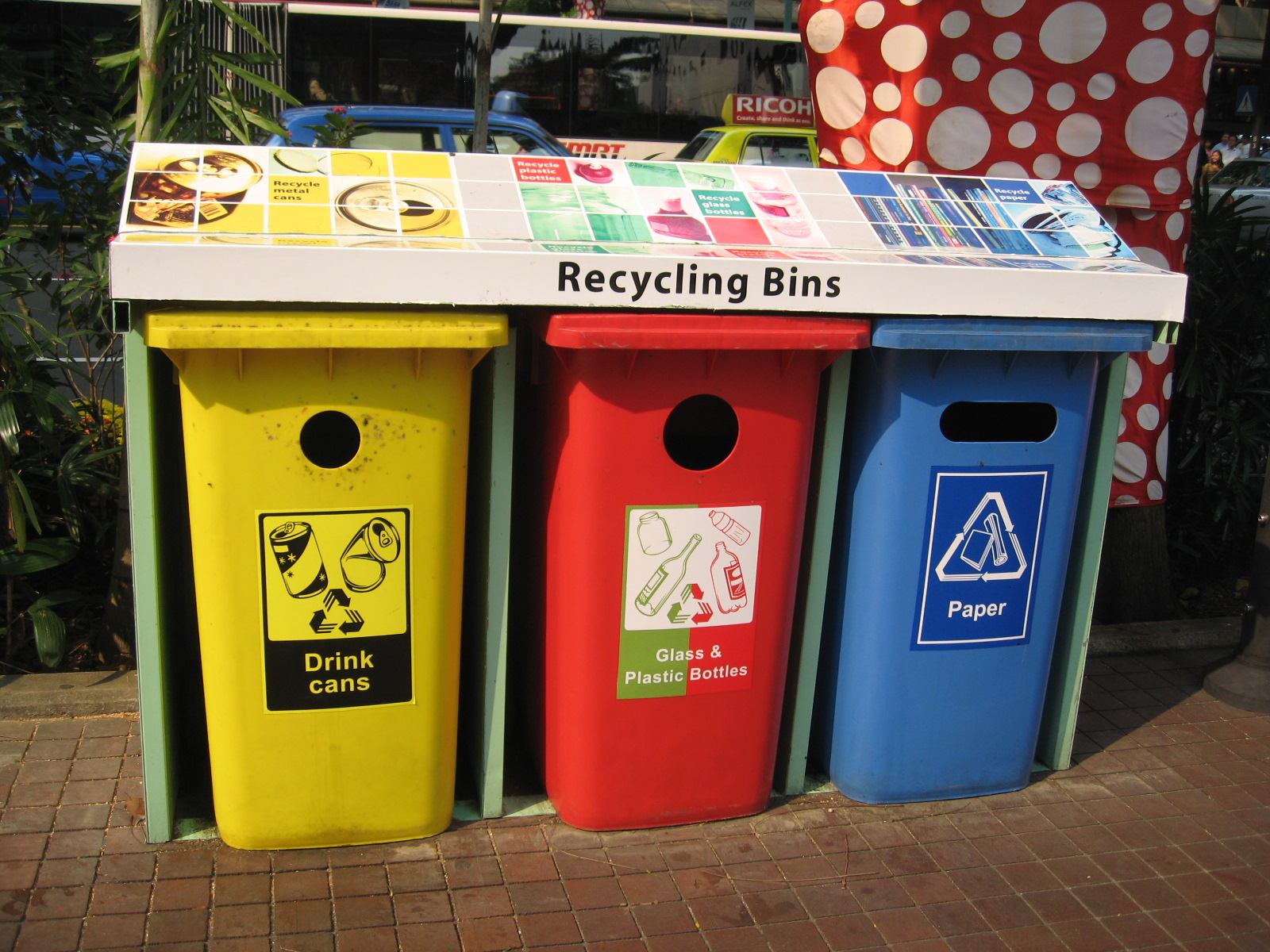
Food loss and waste is one of the few climate problems that's almost entirely about logistics and behaviour rather than technology. In lower-income countries, most loss happens early — poor storage, transport and infrastructure between farm and market. In wealthier countries, waste happens mostly at the retail and household level — food discarded over cosmetic imperfection, confusing date labels, or simply overbuying. Either way, wasted food that ends up in a landfill decomposes anaerobically and produces methane, compounding the emissions it already carries from having been grown in the first place.
The IPCC's own assessment identifies shifting diets — not eliminating meat entirely, but reducing the share of ruminant meat like beef and lamb in favour of poultry, fish, legumes and plant proteins — as one of the single highest-impact actions available at the individual level. Combined with cutting food waste and supporting more efficient, better-managed farmland, researchers at Project Drawdown rank food-system changes among the most impactful climate solutions across any sector, not just agriculture.