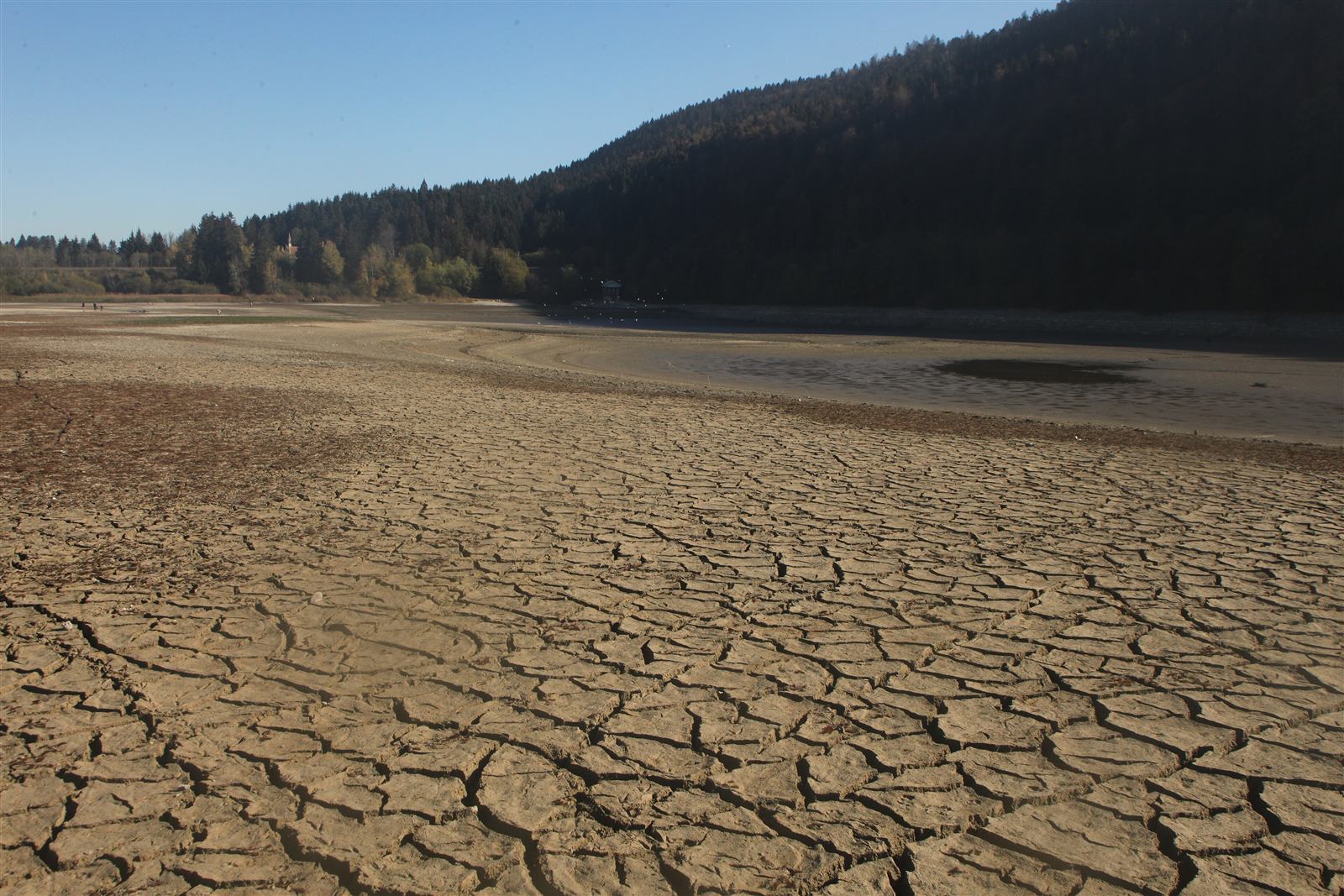
Record-Breaking Heat Signals Ecological Tipping Points
2023 was confirmed as the hottest year on record, with global temperatures reaching 1.48°C above pre-industrial levels. Multiple climate tipping points — from Arctic ice loss to Amazon dieback — may be closer than previously thought. Extreme weather events are intensifying, displacing communities and straining food systems worldwide.
Read more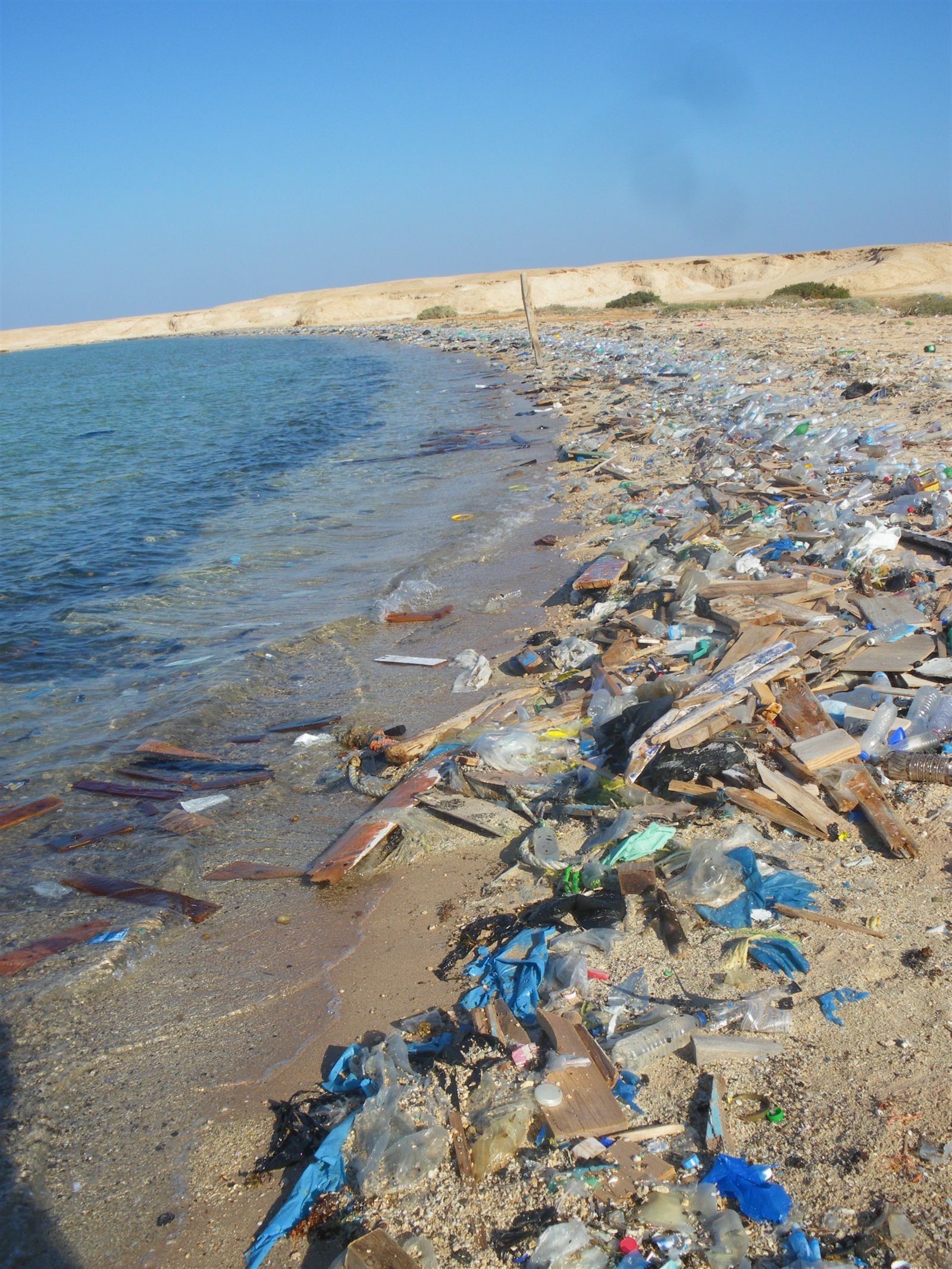
Microplastics Found in Human Blood, Lungs, and Placentas
Scientists have detected microplastic particles in human blood, lung tissue, and even unborn babies. Over 8 million tonnes of plastic enter the ocean each year, fragmenting into particles that travel through water, soil, and air. The long-term health consequences are only beginning to be understood.
Read more
One Million Species Face Extinction Due to Human Activity
The IPBES Global Assessment found approximately 1 million plant and animal species are threatened with extinction — a rate tens to hundreds of times higher than the natural baseline. Habitat destruction, agriculture expansion, pollution, and climate change are the primary drivers. Once lost, these species cannot be recovered.
Read more
Solar and Wind Just Overtook Coal — For the First Time in History
Wind and solar together now generate more of the world's electricity than coal — a crossover analysts once pencilled in for the 2030s. Here's how the cost curve broke, and why the job is far from finished.
Read more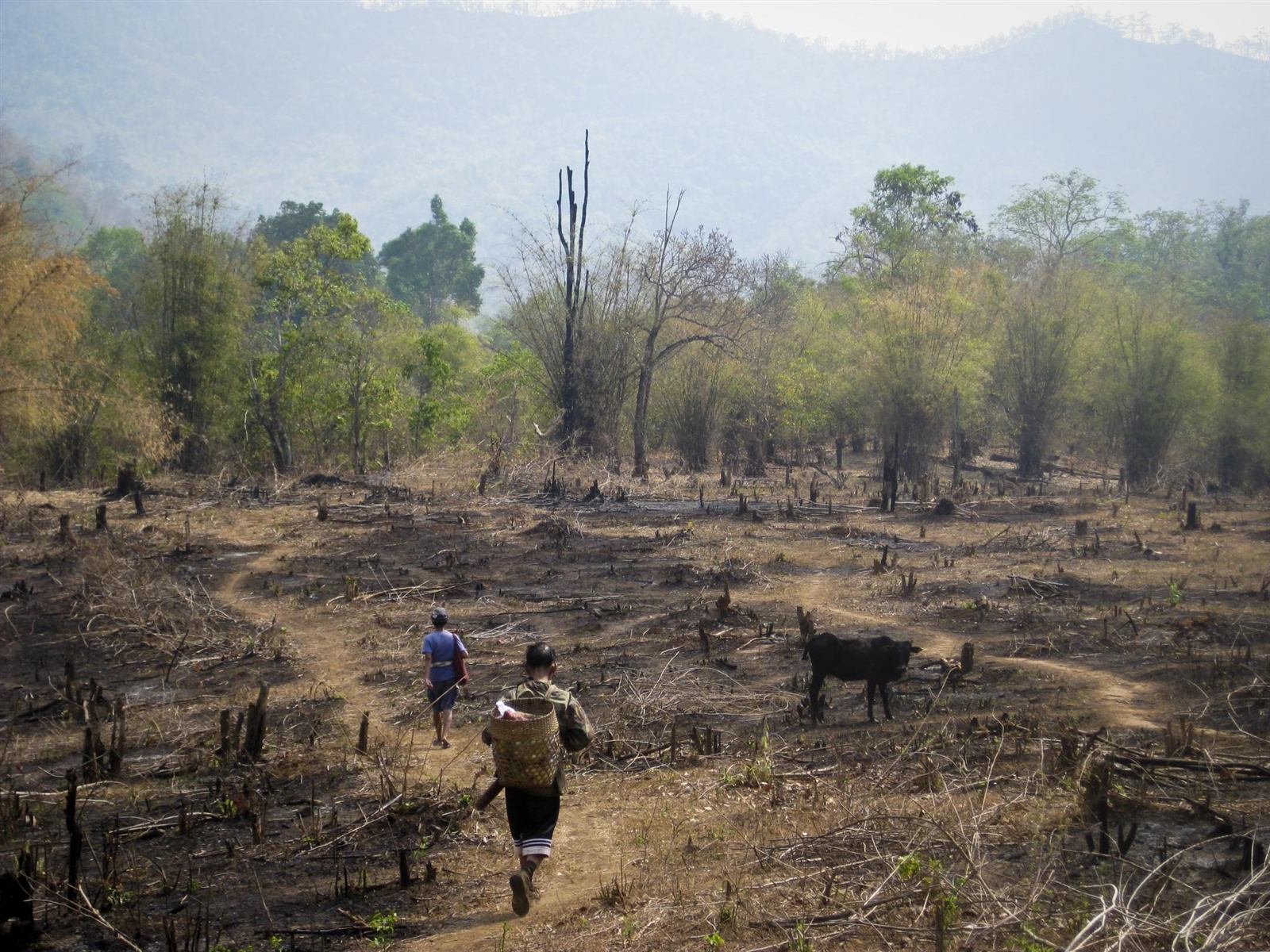
The Amazon Is Losing a Football Pitch of Forest Every Six Seconds
The tropics lost 4.1 million hectares of primary rainforest in 2022 alone. What's driving the clearing, why the Amazon is a climate tipping point in its own right, and the first real signs enforcement can reverse it.
Read more
Day Zero: The Cities Running Out of Water
Cape Town, Chennai and São Paulo all came within weeks of shutting off the taps entirely. Why "Day Zero" events are becoming more common, and what actually buys a city time.
Read more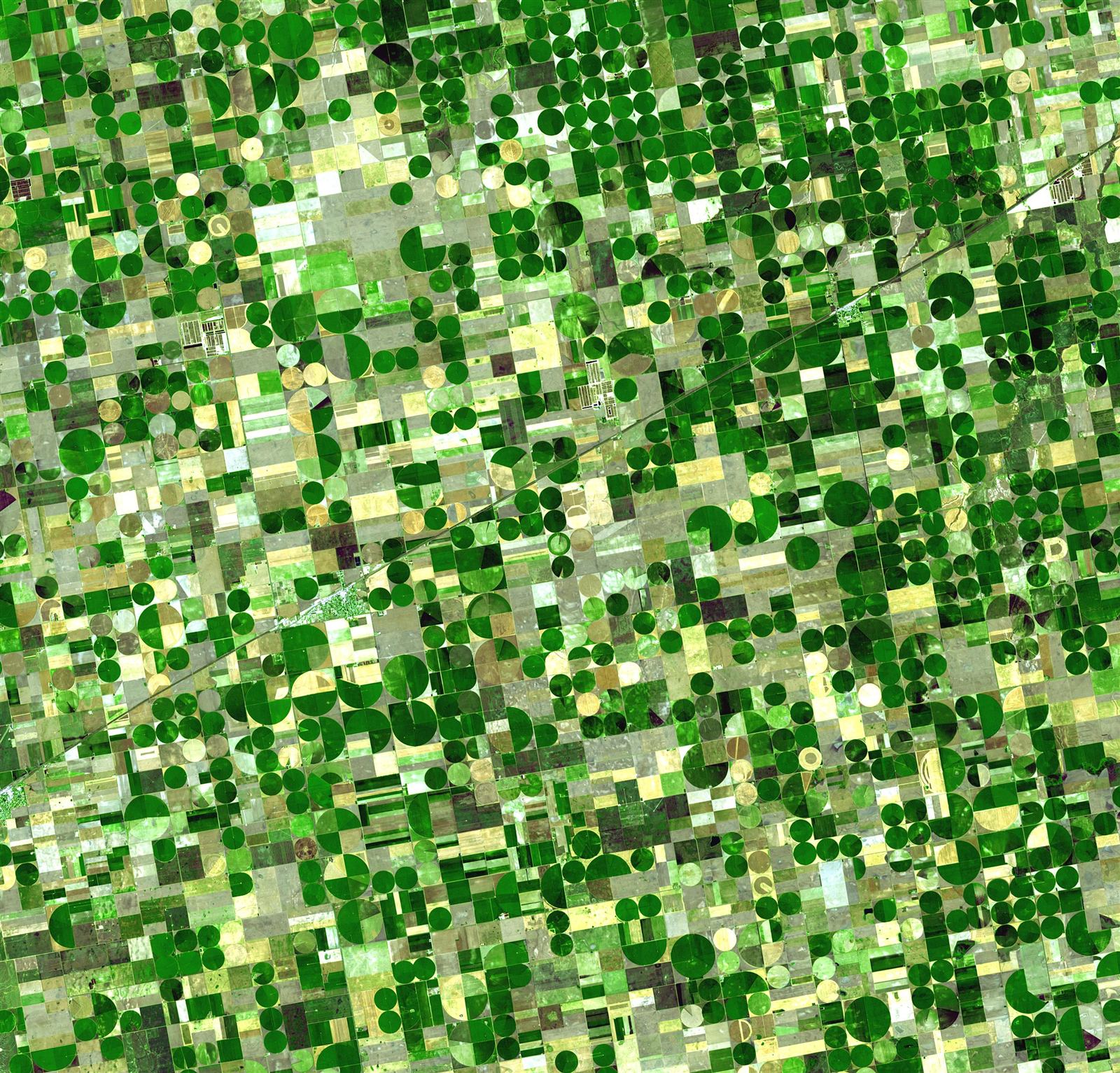
How Food Production Became a Leading Driver of Climate Change
Growing, processing and wasting food accounts for roughly a third of global emissions — more than every car, ship and plane combined. Here's where that footprint actually comes from.
Read more
The True Environmental Cost of Fast Fashion
92 million tonnes of textile waste a year, and clothes worn fewer times than ever before. What's actually behind the fast fashion model — and what a circular alternative looks like.
Read more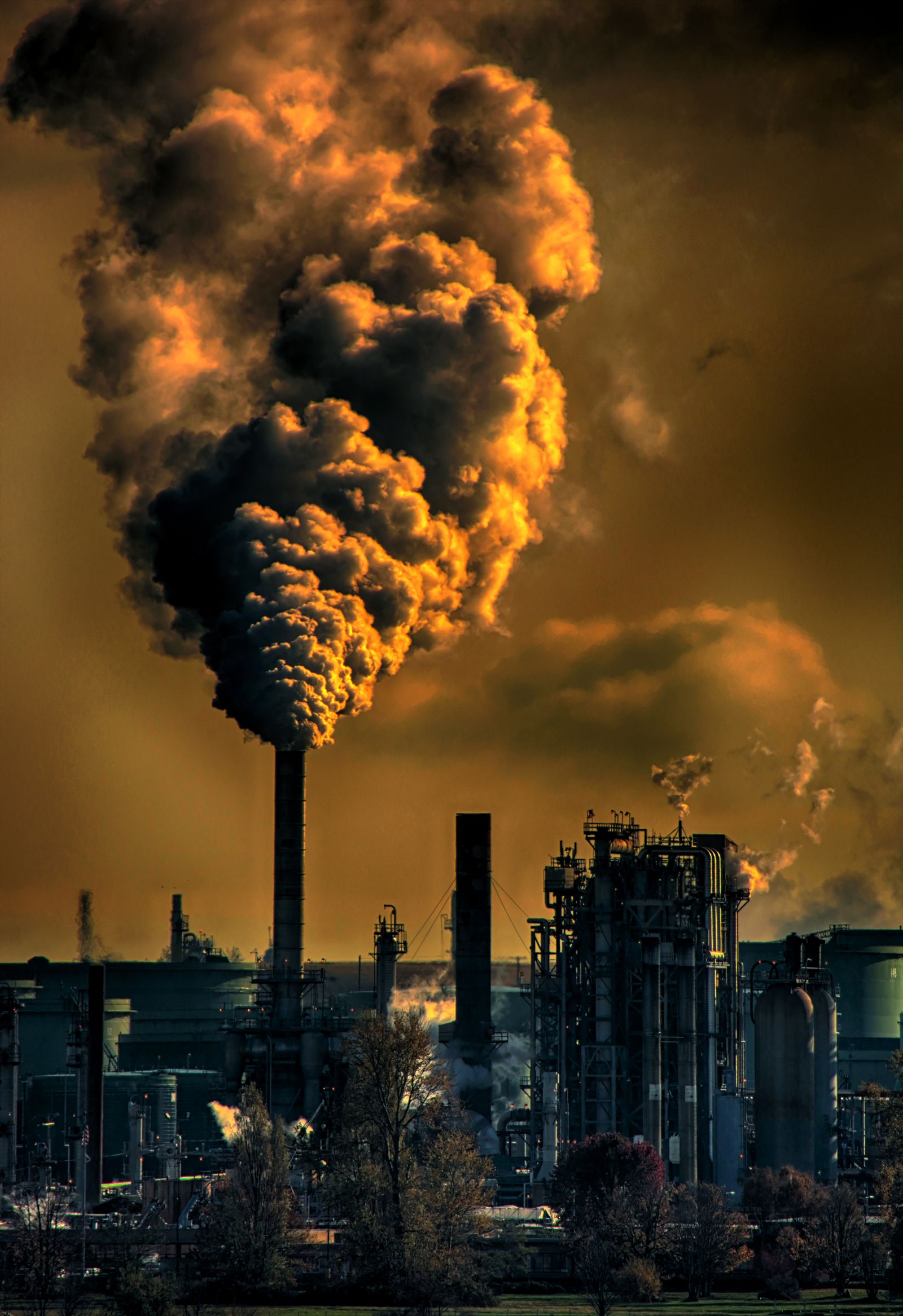
Invisible Killer: How Air Pollution Shortens Lives Worldwide
99% of the world's population breathes air that fails WHO guidelines. The real health toll goes far beyond the lungs — but this is one crisis that's been solved before, locally.
Read more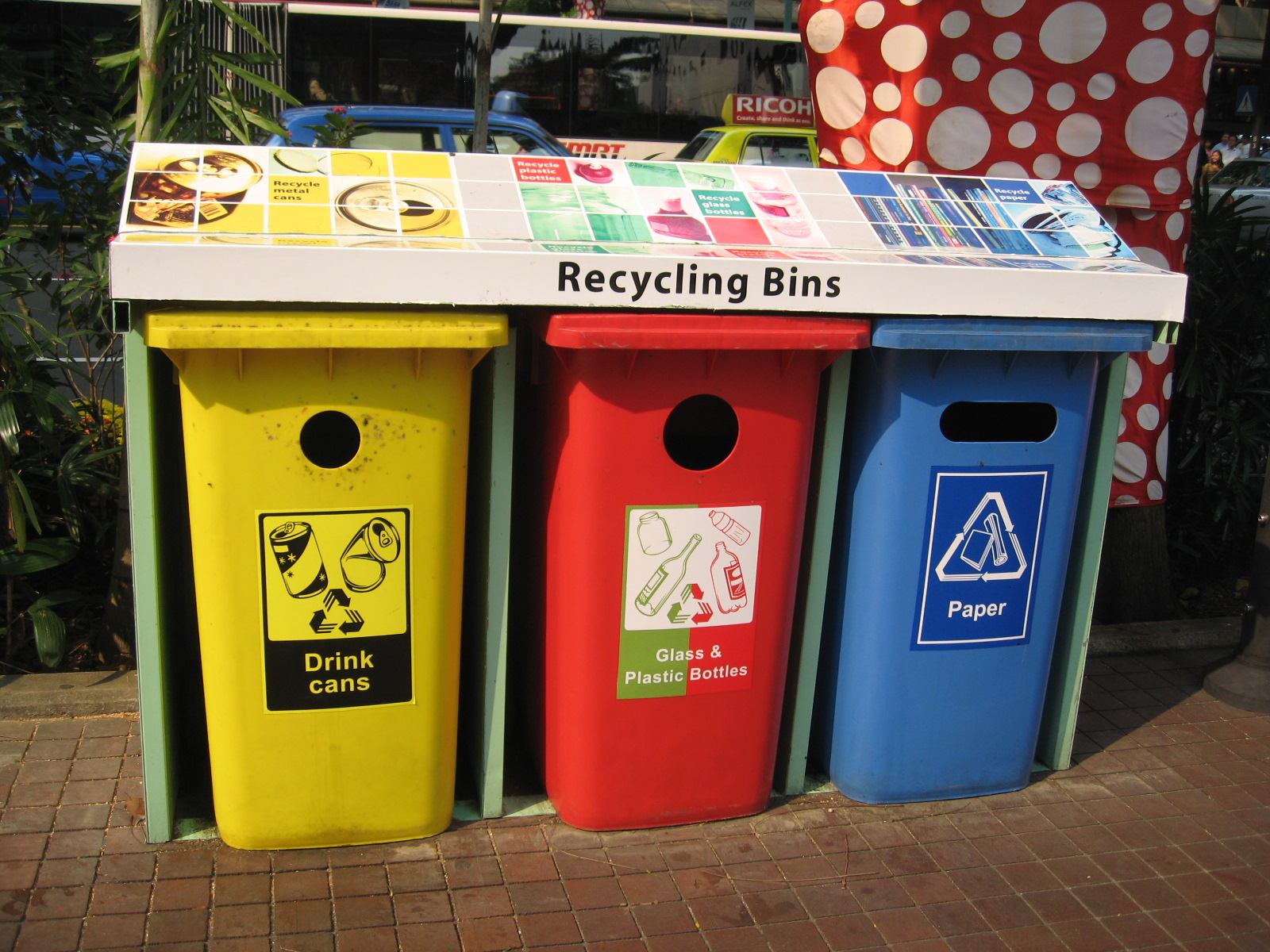
The World's Fastest-Growing Waste Stream: Electronic Waste
62 million tonnes of e-waste generated in 2022, and less than a quarter formally recycled. Where old electronics actually end up, and why the fix already exists.
Read more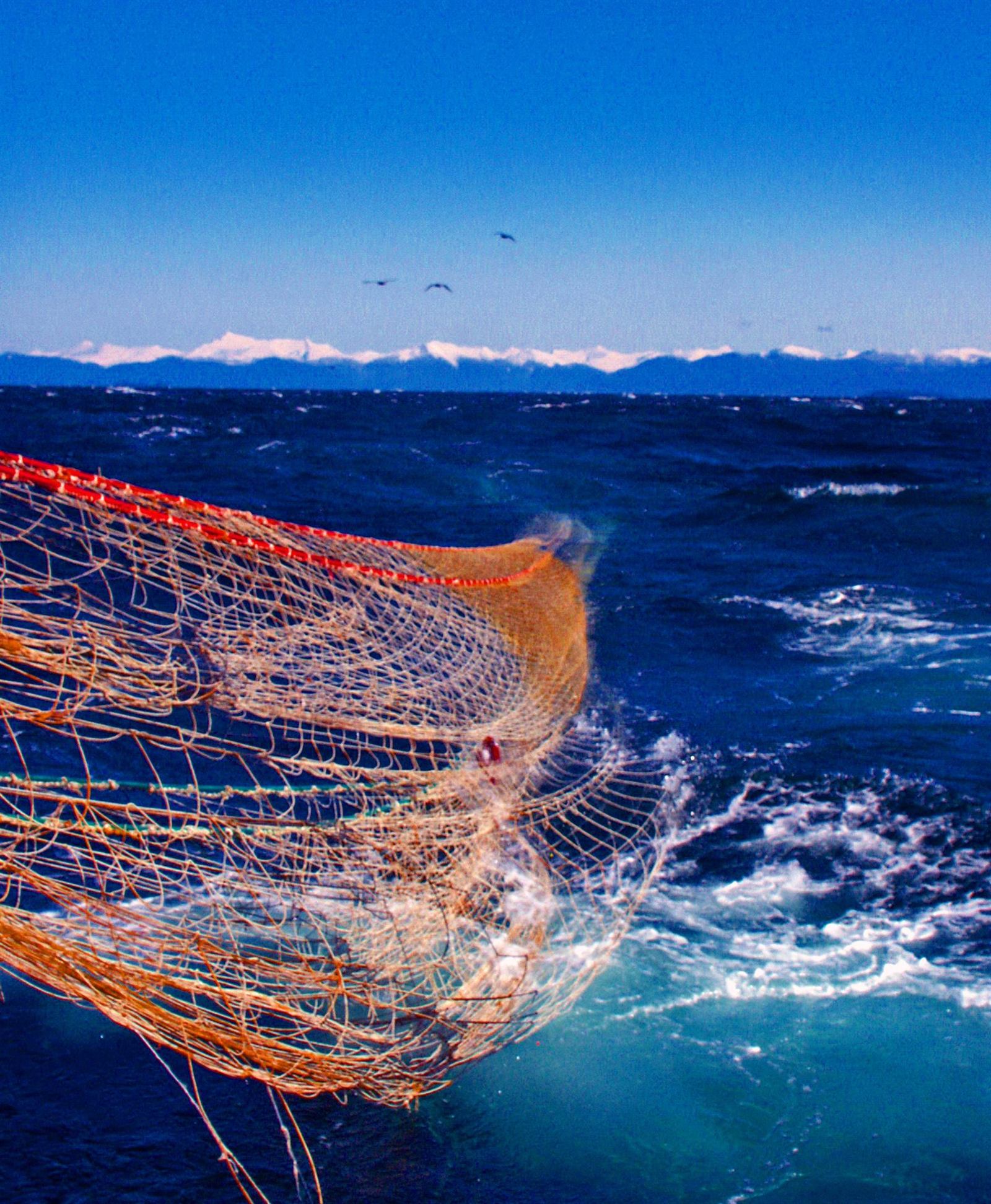
The Ocean Is Being Emptied Faster Than It Can Refill
A third of global fish stocks are fished at unsustainable levels. What's driving overfishing, and what actually works to reverse it.
Read more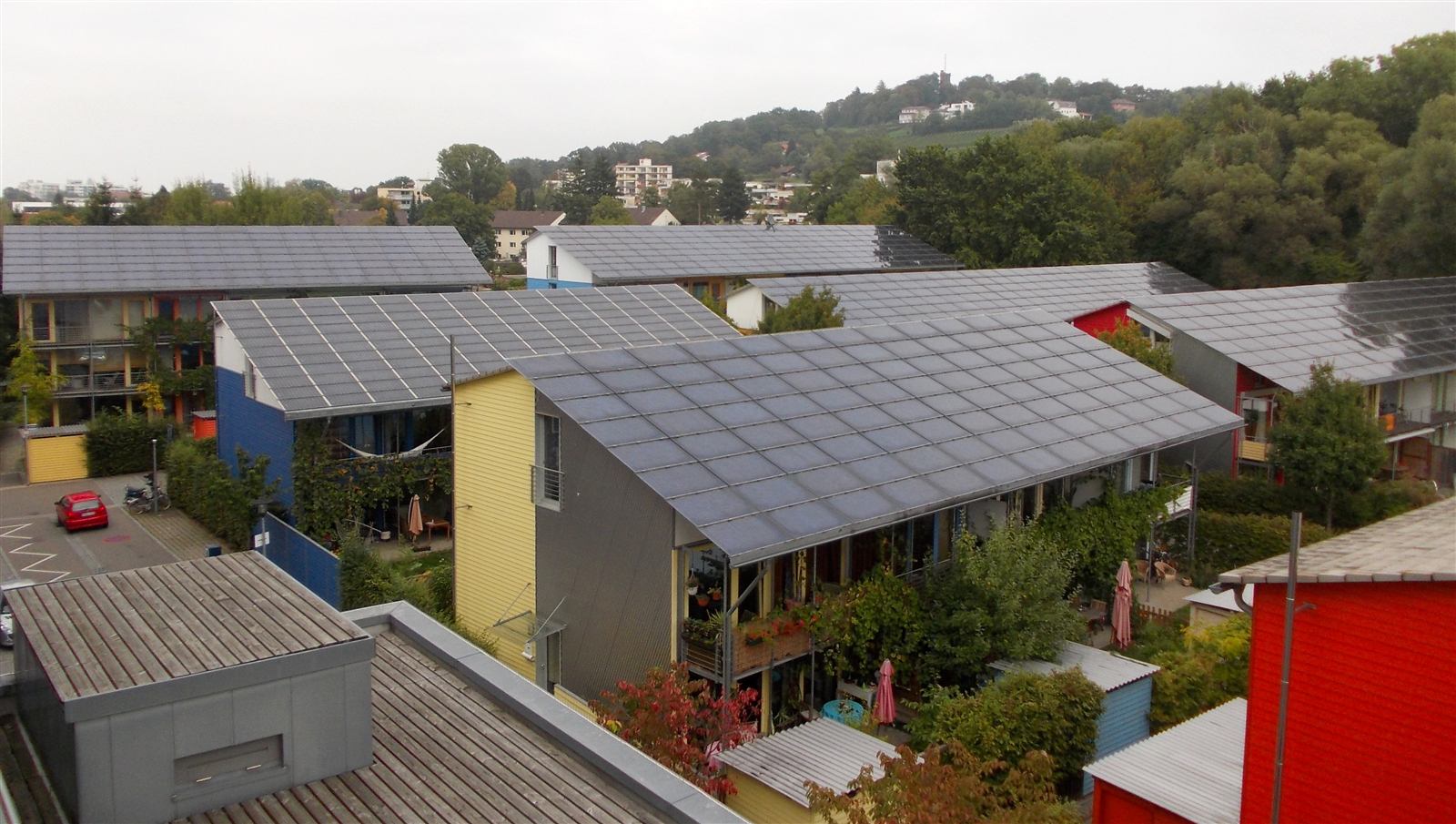
Buildings Now Account for More Emissions Than Every Car on Earth
Buildings and construction produce 37% of global energy-related emissions. Where that footprint comes from, and what green building actually looks like.
Read moreOne Interconnected Environmental Emergency
Climate change accelerates plastic fragmentation into microplastics, while deforestation eliminates carbon sinks and destroys habitat at the same time. Food systems drive both land clearing and a third of global emissions; the same fossil fuels warming the planet also fill the air we breathe with pollution.
None of these ten issues sits in isolation — water scarcity intensifies with warming, biodiversity loss weakens ecosystems' ability to absorb carbon, and waste streams from fast fashion to e-waste all trace back to the same throwaway consumption model. The result is a reinforcing feedback loop — environmental harm multiplying itself across systems.
Meaningful progress requires integrated responses: cutting fossil fuel dependence, transitioning to circular economies, restoring biodiversity corridors, fixing food waste, and making sustainable choices the norm rather than the exception.