The Environmental Crisis We Face
Our planet is facing a growing environmental emergency — and the consequences are no longer distant or abstract.
Human activity over the past century has placed unprecedented pressure on Earth's natural systems, pushing ecosystems to their limits. This crisis isn't caused by a single issue, but by interconnected problems that reinforce one another — climate change, plastic pollution and biodiversity loss together form one of the greatest challenges humanity has ever faced.
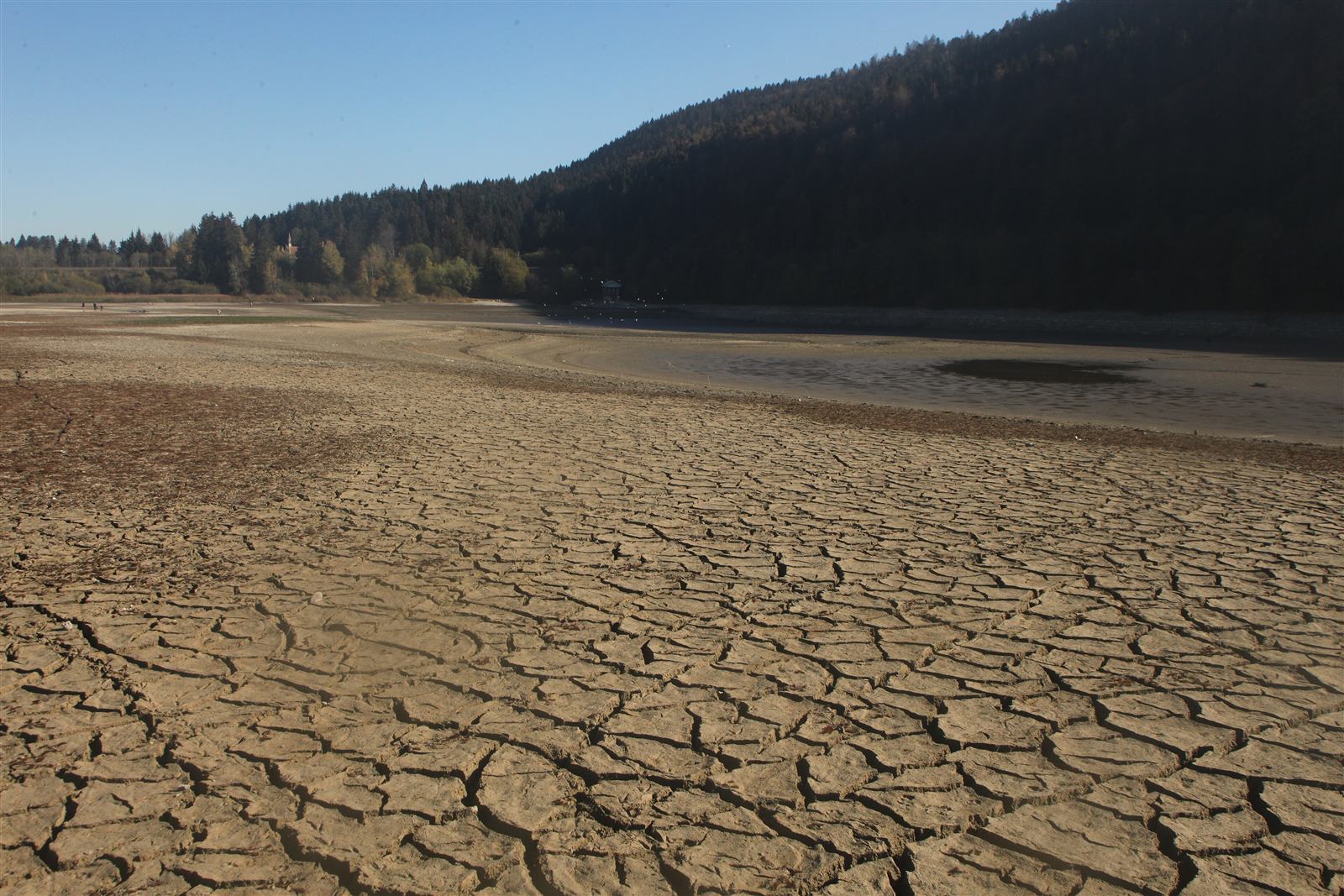
Climate Change: A Planet Warming Too Fast
Burning fossil fuels releases greenhouse gases that trap heat, causing global temperatures to rise. The result: more extreme weather, melting ice, rising seas, and disrupted food and water systems.
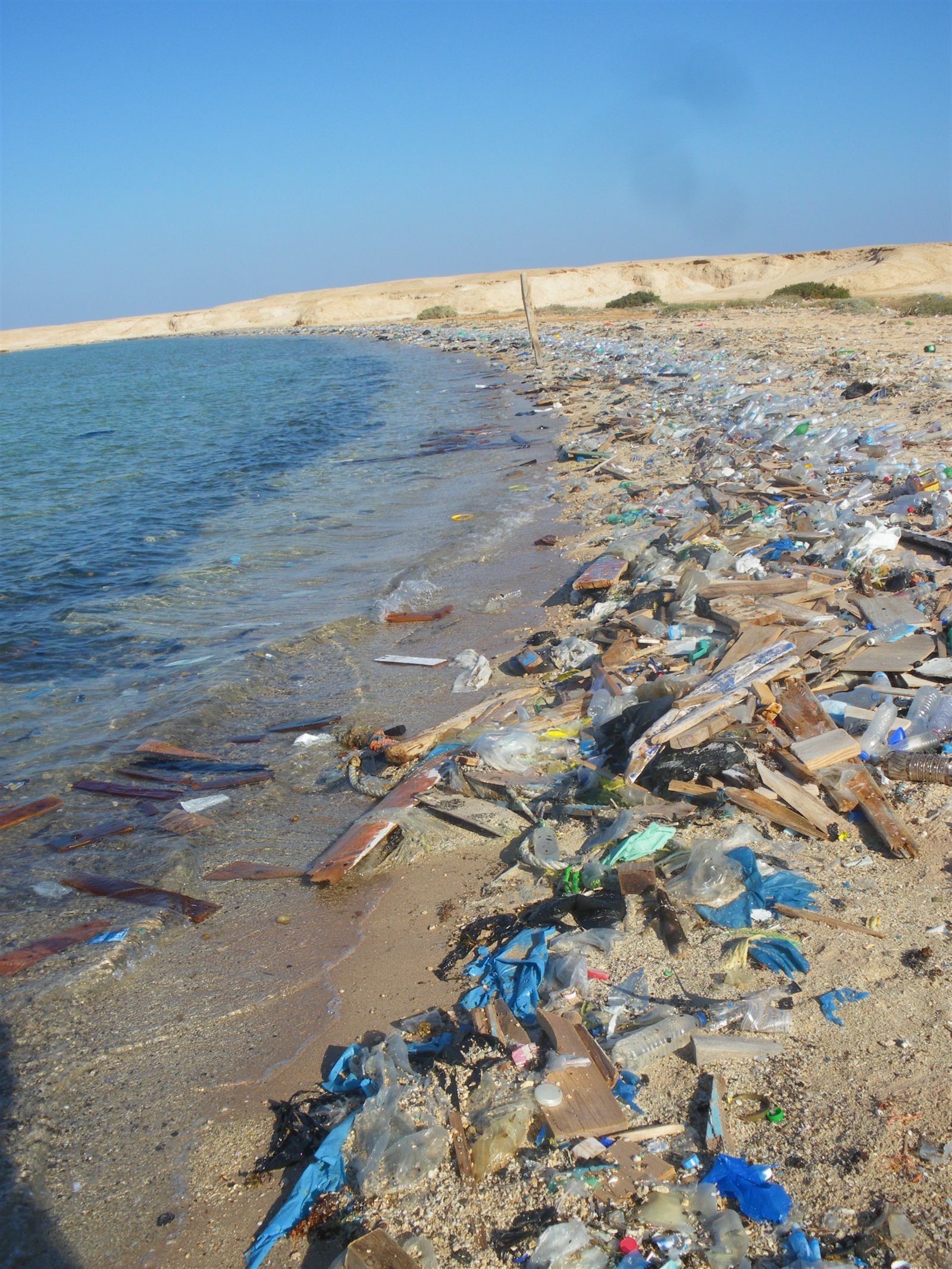
Plastic Pollution: A Growing Threat to Life
Millions of tonnes of plastic waste are produced every year, much of it single-use. Because plastic doesn't biodegrade, it accumulates in landfills, rivers and oceans for hundreds of years, harming marine life and now our own bodies.

Biodiversity Loss: Nature Under Pressure
Deforestation, urban expansion, pollution and climate change are destroying habitats faster than species can adapt. Once a species is lost, it cannot be replaced — making this damage permanent.
Why This Matters
These environmental problems are deeply connected and affect everyone, regardless of location. Those who contribute least to environmental harm are often the ones most affected by its consequences.
Ignoring these issues only increases the scale of the damage as ecosystems weaken and resources become scarcer.
Moving Forward
Understanding the causes and impacts is the first step toward meaningful change. Awareness empowers people to make informed choices that reduce harm.
No single action solves the crisis alone — but small changes adopted by many people create real, compounding impact.
Next: what's causing it
Understanding the problem is step one. See what's actually driving it.
See The Cause