Protecting Our Planet's Wildlife
Animal species are disappearing at an alarming rate. Here's what's driving it, and how conservation actually works.
Accelerating extinction rates
Scientists estimate that species are going extinct at 100 to 1,000 times the natural background rate, with dozens disappearing every day. This mass extinction event is primarily driven by human activity.
From iconic mammals like tigers and elephants to lesser-known insects and amphibians, biodiversity loss affects ecosystems worldwide, threatening the balance that supports all life on Earth.
Habitat Destruction
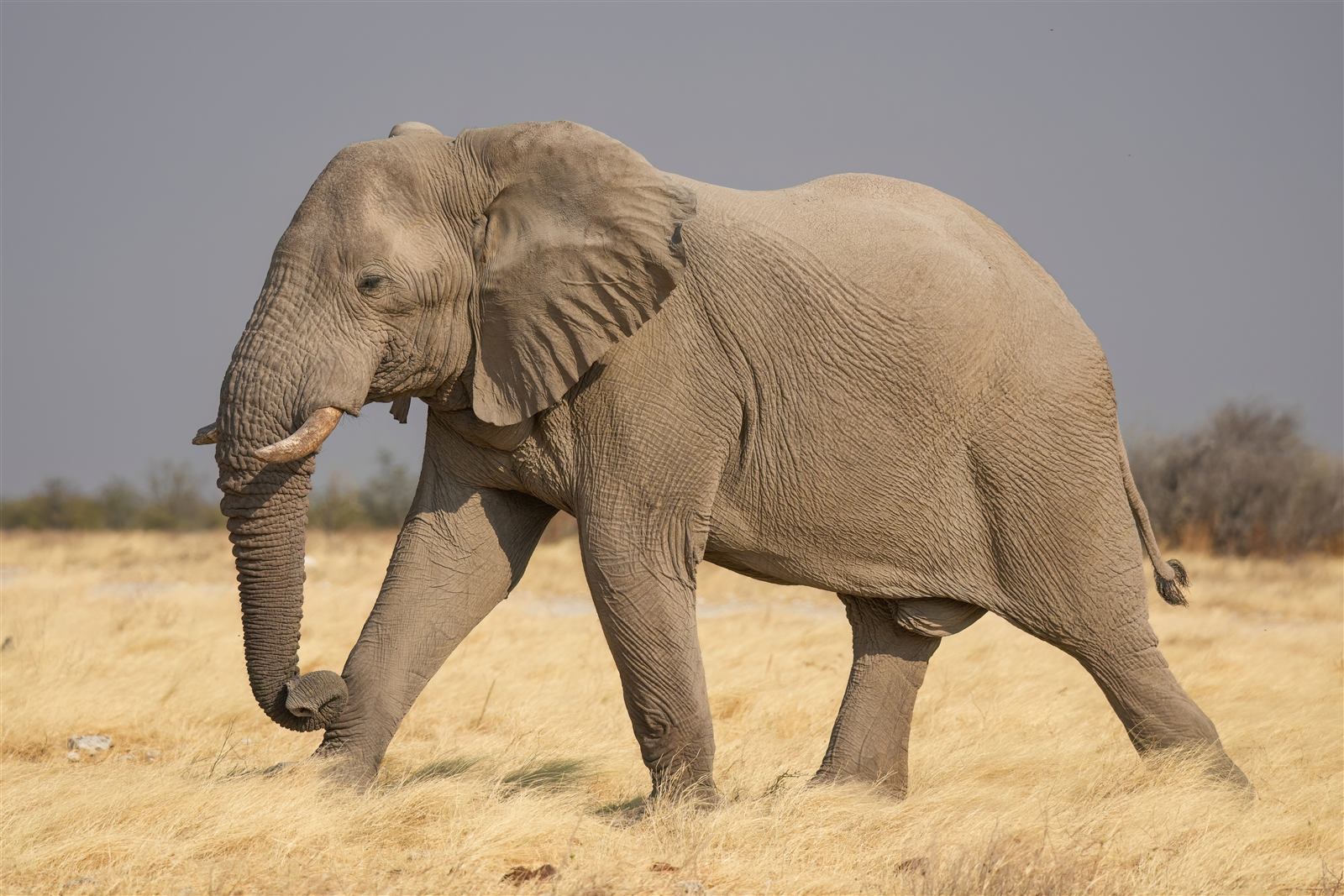
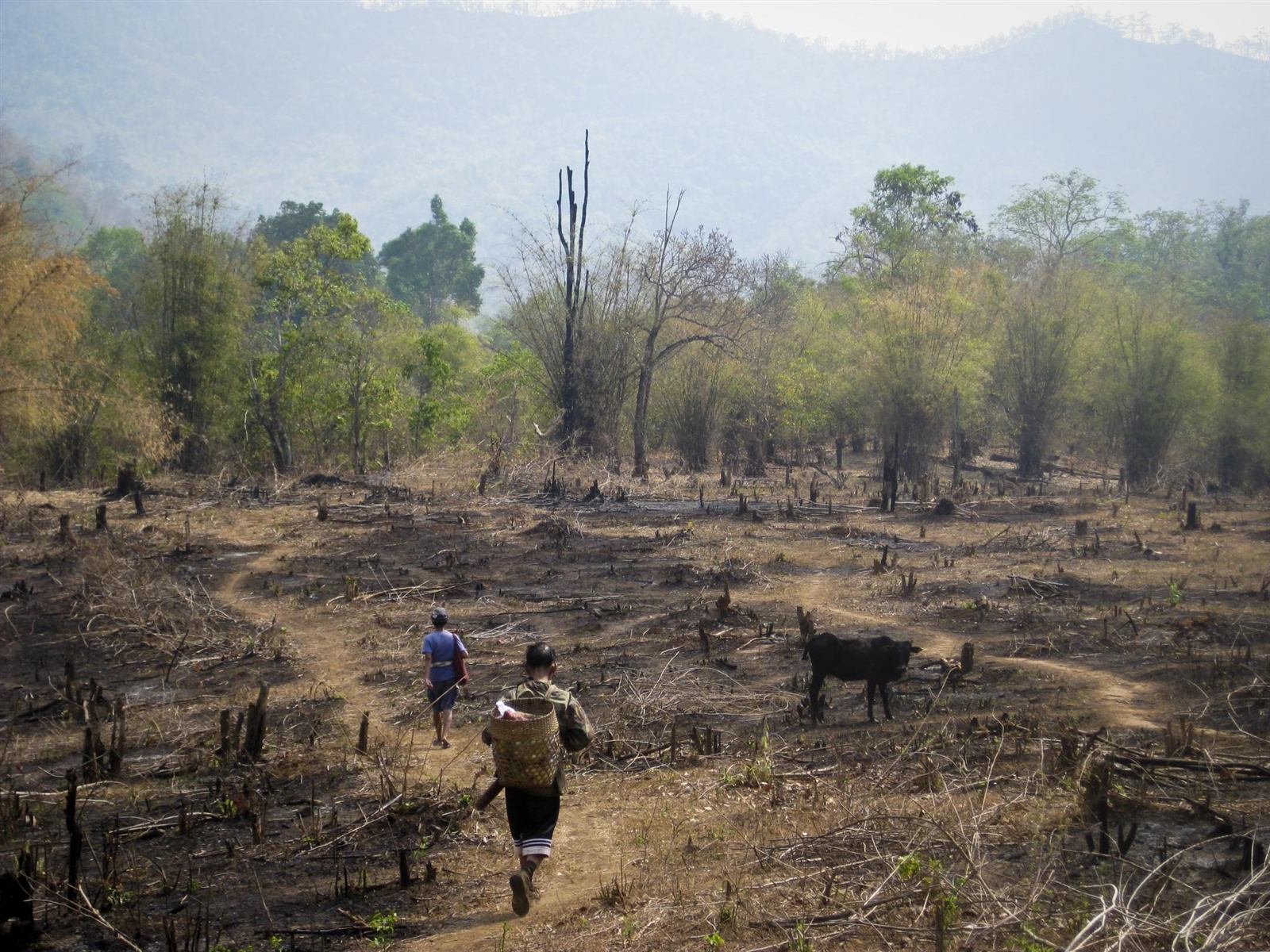
Deforestation, urbanisation, agricultural expansion and infrastructure development have fragmented and destroyed natural habitats worldwide. Tropical rainforests, home to half of Earth's species, are being cleared at alarming rates.
When animals lose their homes, they struggle to find food, mates and safe places to raise young — pushing many species toward extinction.
A few of the species on the edge
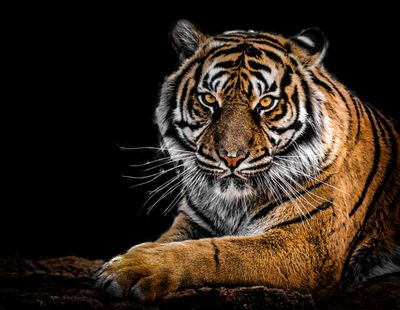
Sumatran Tiger
Fewer than 400 remain in the wild due to habitat loss and poaching.
Critically Endangered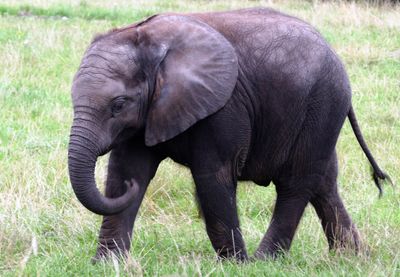
African Forest Elephant
Population declined by 86% over 31 years, largely due to ivory poaching.
Critically Endangered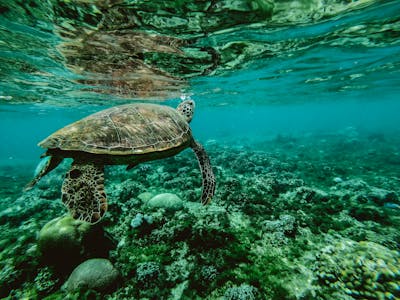
Leatherback Sea Turtle
Threatened by plastic pollution, fishing nets and coastal development.
Vulnerable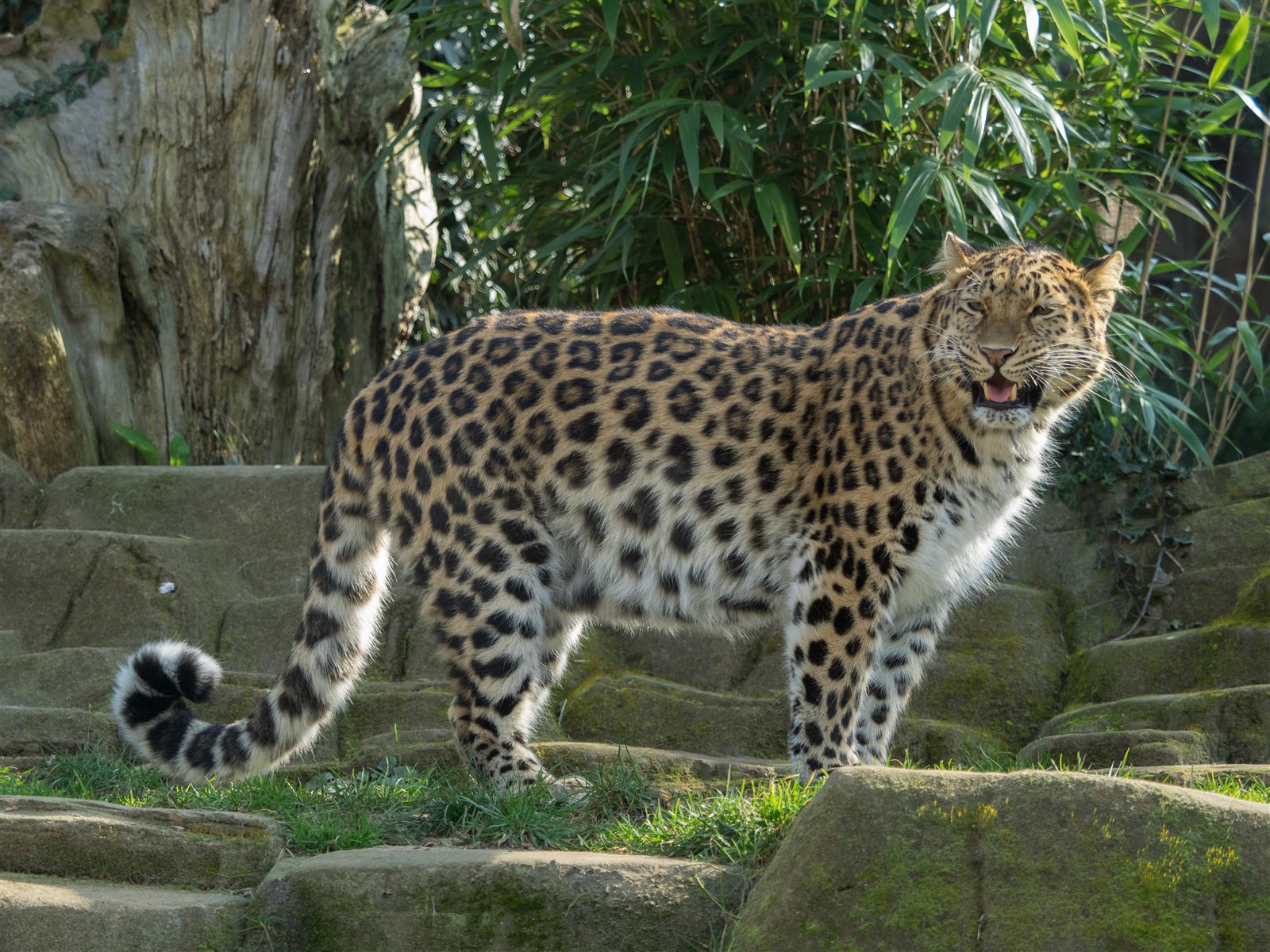
Amur Leopard
Fewer than 100 remain in the wild, confined to a small forested region on the Russia–China border.
Critically EndangeredReal conservation work, by the organisations doing it
We don't run field programs ourselves — but here's what genuinely moves the needle, and who's doing it.
Habitat Protection & Restoration
Protected areas, wildlife corridors and reforestation programmes — run by governments and groups like IUCN and African Parks — restore fragmented habitats, safeguarding entire ecosystems rather than single species.
Anti-Poaching & Enforcement
Ranger programmes, trafficking crackdowns and demand-reduction campaigns in consumer countries have measurably cut into the illegal wildlife trade — though enforcement remains chronically underfunded relative to the problem's scale.
Wildlife Rehabilitation
Specialist rehabilitation centres worldwide rescue, treat and release injured and orphaned animals, and increasingly help maintain genetic diversity within threatened populations.
Want the full deep-dive?
Read our long-form article on the million species facing extinction.
Read the Article